Blog·
Wet tailings vs dry stack tailings: why the monitoring checklist isn't the same
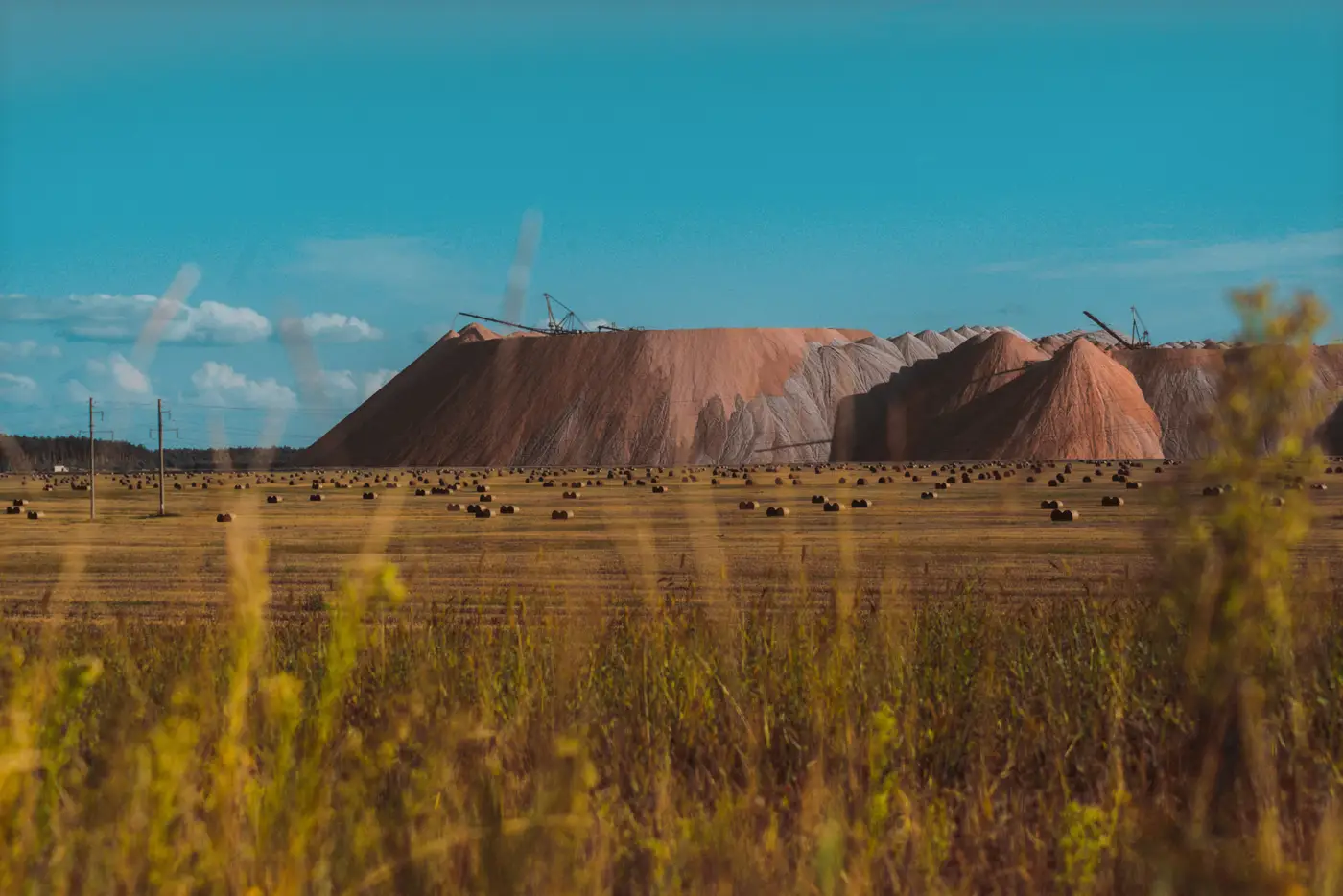
Two facilities, same regulator, same quarterly walkdown schedule, and two completely different things worth watching between visits. That's the trouble with a generic tailings checklist: it was written with one storage method in mind, and it doesn't travel well to the other.
What the pond changes
A conventional wet-tailings impoundment runs on a pond. Slurry comes in, settles, and the water decants off or evaporates, leaving a beach that grows and shrinks with deposition. Everything an inspector cares about on that kind of facility traces back to where the water sits and how it moves through the embankment:
- Freeboard: the vertical gap between pond surface and crest, the number that tells you how much storm capacity is left before overtopping becomes a live risk.
- Beach width: how far the exposed tailings beach extends from the pond edge to the crest, which tells you whether deposition is building the beach the way the design intended or whether the pond is migrating toward the embankment.
- Seepage staining: dark streaks or wet patches on the downstream face, visible evidence of a phreatic surface running higher, or somewhere different, than it should.
- Crest movement: settlement or lateral deformation along the crest line, often the first geometric sign that something under the embankment is shifting.
Run that same checklist against a dry stack and most of it measures the wrong thing, because none of those four lines mean much without a pond behind them.
What a dry stack asks for instead
Filtered or dry stack tailings arrive dewatered and get placed and compacted in lifts, built more like an engineered earth structure than a pond with a wall around it. There's no beach, because there's no pond edge to measure from. Freeboard barely applies either, since the facility isn't holding back standing water the way a conventional impoundment is.
What replaces those two indicators is a different set of questions about the same underlying risk: is water building up somewhere it shouldn't. On a dry stack that shows up as:
- Bench and slope geometry: bulging, slumping, or tension cracking on an individual lift, the stack's version of crest movement.
- Drainage and moisture signs: standing water after a storm event where the design assumes free drainage, or a saturated patch on an otherwise dry face, both pointing at a blocked underdrain or a filter layer not performing as designed.
- Toe seepage: less common than on a wet impoundment, but not impossible, especially where a stack sits over an older wet-tailings footprint or a foundation with its own groundwater.
Seepage staining and crest or surface movement carry across both facility types. Both are visible, both show up in imagery, and both are proxies for the same failure mechanism: water in the wrong place, moving the structure.
Why the field form has to change, not just the inspector's instincts
A facility running both storage methods on the same site, which happens more often as operators switch a cell over from wet deposition to a filtered stack partway through its life, needs two checklists, not one with extra line items bolted on. Hand the dry stack crew a form built around pond freeboard and you waste their time on the gauge and bury the two or three things that matter for that structure.
Tailings Dam Monitor's weekly log is built around the conventional impoundment vocabulary, beach width, freeboard, seepage staining, crest movement, read against your own facility's baseline between the quarterly walkdowns, with a weekly read on your own facility instead of waiting for the next scheduled visit. Seepage staining and crest movement are the two indicators that travel to a dry stack as well, since both are surface signs an imagery pass picks up no matter what's holding the tailings back.
If your checklist still reads like it was written for a pond you don't have, it's worth rebuilding around the indicators your facility actually needs.