Blog·
What a consequence classification is, and why it sets your inspection frequency
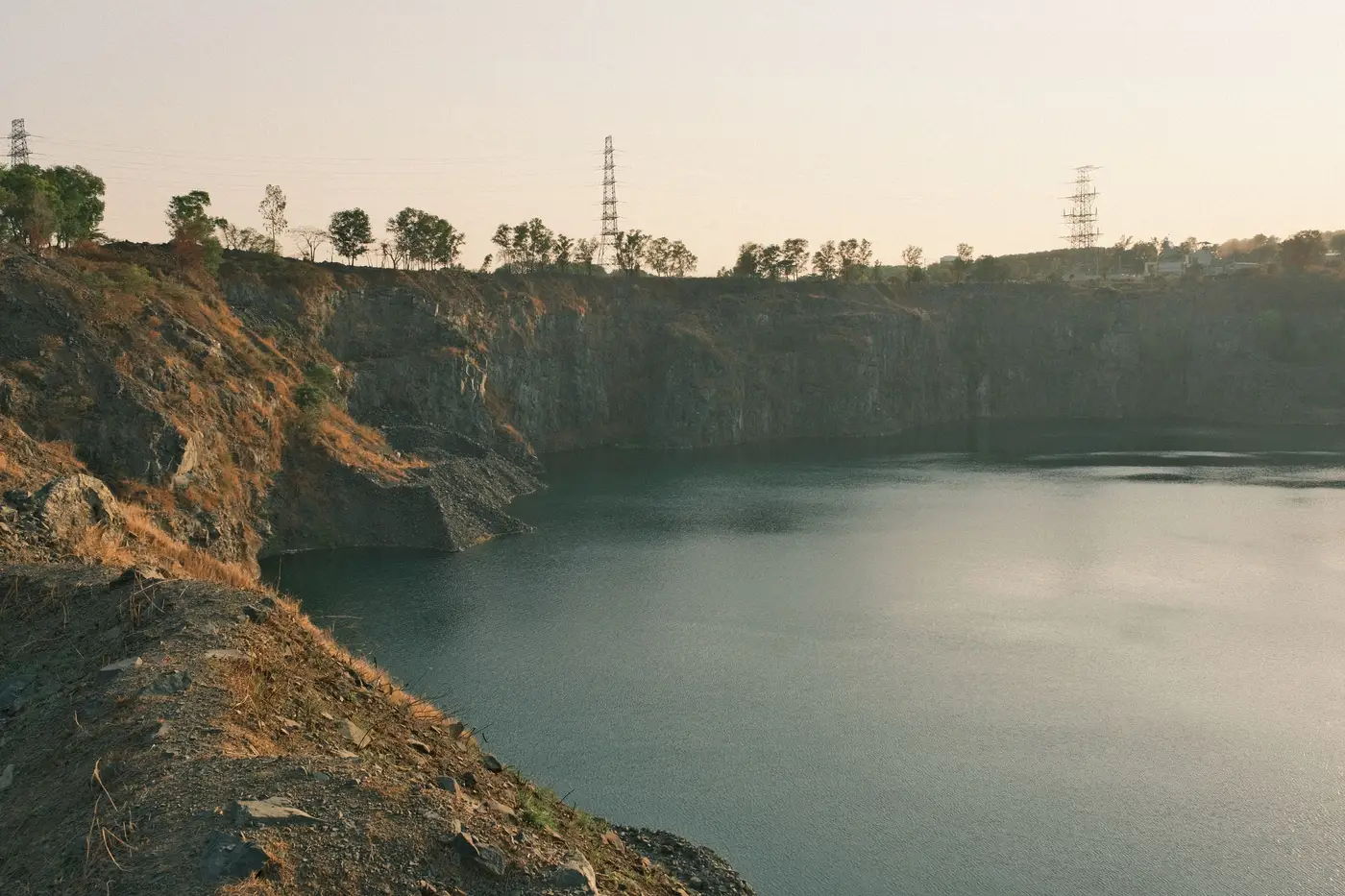
If you operate, insure, or regulate a tailings storage facility, you've seen the classification sit at the top of the dam safety review before you've read a single sentence of the report. Low, significant, high, very high, extreme. That one word does more work than almost anything else in the document, because it sets the inspection calendar, the emergency preparedness level, and in a lot of jurisdictions, the freeboard and factor-of-safety margins the facility has to hold.
Where the classification actually comes from
Consequence classification measures what happens downstream if a dam fails: the population at risk, the environmental and cultural damage, the infrastructure loss, the economic hit. Frameworks like the Canadian Dam Association's dam safety guidelines, ANCOLD's consequence categories in Australia, and the Global Industry Standard on Tailings Management all run on that same basic logic, estimating those downstream consequences and assigning a category. A facility sitting above a town or a salmon-bearing river lands in a different tier than one draining into an unoccupied valley, even if the embankment geometry and tailings chemistry look similar on paper.
The classification gets reviewed periodically (after a raise, a design change, or a scheduled interval), but once it's set, it drives almost everything downstream of it. Extreme and very high consequence facilities carry tighter design criteria, more frequent engineering reviews, and shorter intervals between formal inspections. A low-consequence facility might sit comfortably on an annual walkdown. An extreme-consequence facility is often expected to be looked at monthly, sometimes more, with the Engineer of Record signing off on a fuller independent review once or twice a year.
The gap between the required inspection and the actual walkdown
Here's where the paperwork and the field reality diverge. The classification sets the required inspection frequency. It doesn't change how many site visits a given team, in a given weather window, with a given travel budget, can actually pull off. A remote site with seasonal road access, a thin geotechnical staff, or a facility portfolio spread across three provinces often ends up doing the formal walkdown on schedule and nothing in between. For a low-consequence tailings dam, that's defensible. For an extreme-consequence facility, it's the gap that shows up in incident reviews after the fact: a seepage face that started staining six weeks before anyone with boots on the ground noticed it, a crest that crept a few centimeters before the next scheduled survey caught it.
The indicators that matter in that gap aren't exotic: beach width narrowing faster than the deposition plan assumed, freeboard eroding closer to the design minimum, seepage staining spreading on the downstream face, crest movement showing up before it's large enough to trigger a clear alert on its own. None of these need a geotechnical instrument array to spot early. They need someone, or something, looking regularly enough to catch the trend before it becomes the finding.
This is the practical argument for treating consequence classification as a monitoring-cadence problem. An extreme or very high classification tells you, in the language the regulator and the insurer both read, that a slow-building problem on this embankment has more to lose if it's missed. The cadence should match that, even in the weeks a crew can't physically get out there.
Tailings Dam Monitor was built around exactly that gap: a weekly read on beach width, freeboard, seepage staining, and crest movement, flagged against your own baseline, between the quarterly or annual walkdowns your classification already requires.
If your facility's classification has you watching for trouble between site visits, it might be worth seeing what a weekly log entry on those four indicators looks like for your dam.