Blog·
What an independent tailings review board expects between audits
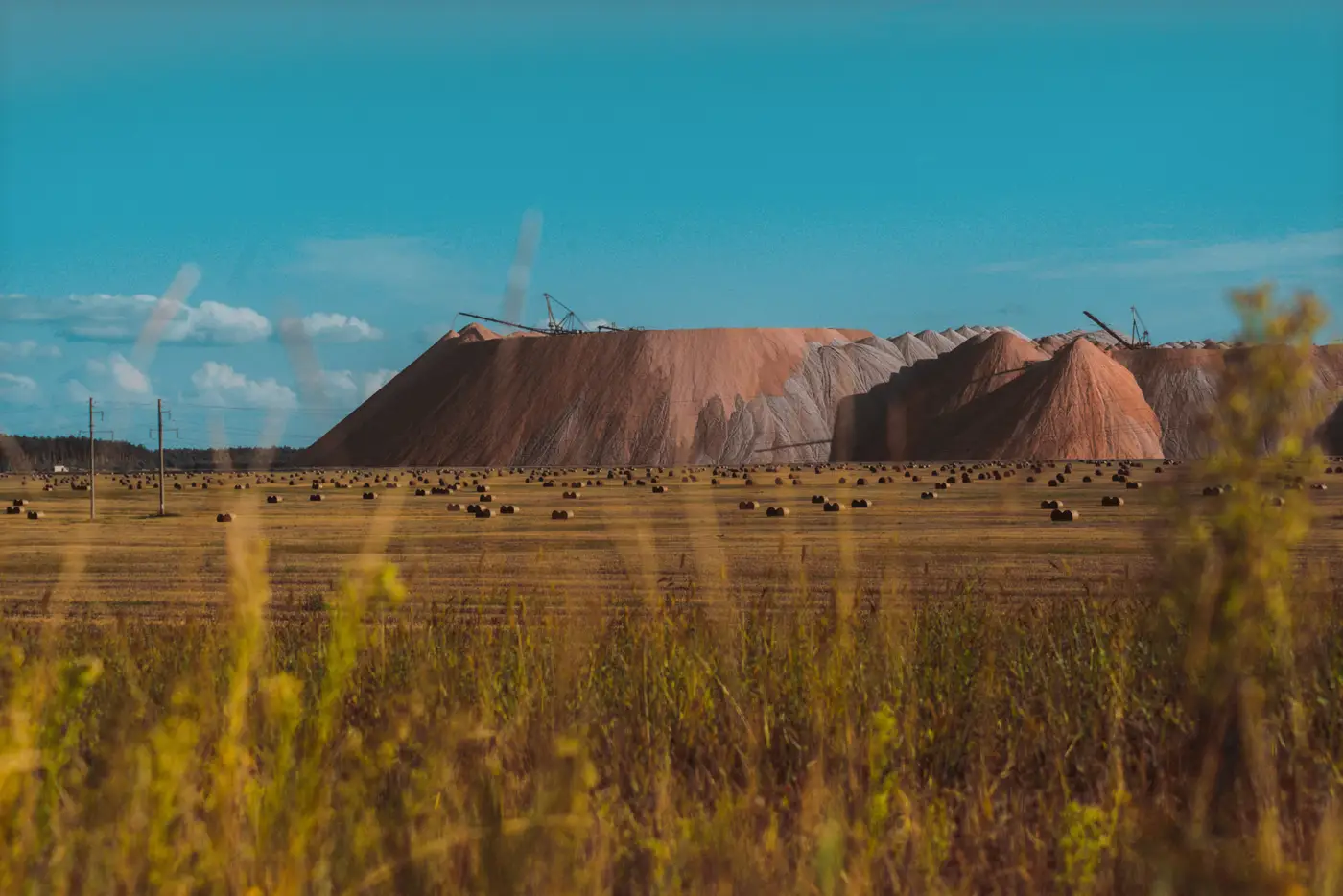
An Independent Tailings Review Board, usually shortened to ITRB, is a panel of outside experts an owner brings in to check the work of the engineer of record. They're not part of the operating company and they don't design the facility. Their job is to look at the design basis, the construction records, the monitoring data and the operating practice, and say whether what's happening on the ground matches what the design assumed. For a facility classified as high or extreme consequence under most current governance frameworks, an ITRB is now a baseline requirement for getting insured, financed, or permitted at all.
Boards typically meet once or twice a year, sometimes alongside the annual dam safety inspection, sometimes as a separate site visit. A meeting usually runs a day or two: a walkdown of the embankment and decant structures, a review of the piezometer trends and survey data since the last meeting, a look at any design changes or raise sequencing, and a closed session where the board writes up findings for the owner. Good boards push back. If something in the data doesn't line up with the stability analysis, they'll say so in writing, and that letter becomes part of the facility's permanent record.
What a board actually wants to see in that file
Gaps in the record between visits are the most common source of frustration for ITRB members, more so than engineering problems themselves. A board member reviewing a year's worth of data wants to see a continuous story: piezometric levels that trend smoothly or explain their own spikes, survey monuments that move the way the model predicted, a beach that's holding the width the water balance assumed. A single annual snapshot can't show whether a trend built up gradually over months or appeared three weeks before the meeting, and that distinction matters to the board's finding.
Specifically, boards tend to ask for:
- Piezometer and inclinometer readings logged on a consistent interval throughout the year, dated and traceable
- A record of crest and slope survey data that shows movement rates across repeated survey dates spread through the year
- Freeboard logs that tie pond level to the design flood storage assumption, especially through wet-season swings
- Any seepage observations, including informal ones from site staff, logged with location and date rather than mentioned verbally at the meeting
- A written account of any operational deviation from the operating manual, even minor ones, with the reasoning for why it was acceptable
The pattern underneath all of this is that a board is trying to catch a slow-building problem before it becomes an emergency one. Most tailings failures that get studied afterward show warning signs in the data for weeks or months. A board that only sees the facility once or twice a year is structurally limited in how early it can catch that kind of signal, no matter how sharp its members are. The quality of the file between visits does most of the real work.
Where the quarterly walkdown falls short
The quarterly site walkdown fills part of that gap, but it's still a point-in-time check by people who are on-site for a few hours. A beach that's narrowed over six weeks, a seep that's stained a new patch of slope, a few centimeters of crest creep. All of these can happen and resolve, or quietly get worse, entirely between scheduled visits. Owners who want to hand an ITRB a clean, continuous record increasingly run something in the gap: a standing weekly check on the same handful of indicators the board already asks about. A weekly log of beach width, freeboard, seepage staining and crest movement, flagged against the facility's own baseline and backed by the underlying imagery, gives the board exactly the kind of between-visit trend line they're used to asking for and rarely getting handed on a plate.
What to bring to the next meeting
If a board meeting is coming up, the single most useful thing an operations team can do beforehand is pull the data into one timeline per indicator rather than a stack of separate reports. A board that can see six months of beach width on one chart will spend less time asking questions and more time doing the review they're there for.
If your facility's file between audits is thinner than you'd like it to be, that's worth fixing before the next board meeting rather than during it.